
Plan power around reality.
Energy solutions that start with the load, operating pattern, site conditions, and resilience the environment actually needs.
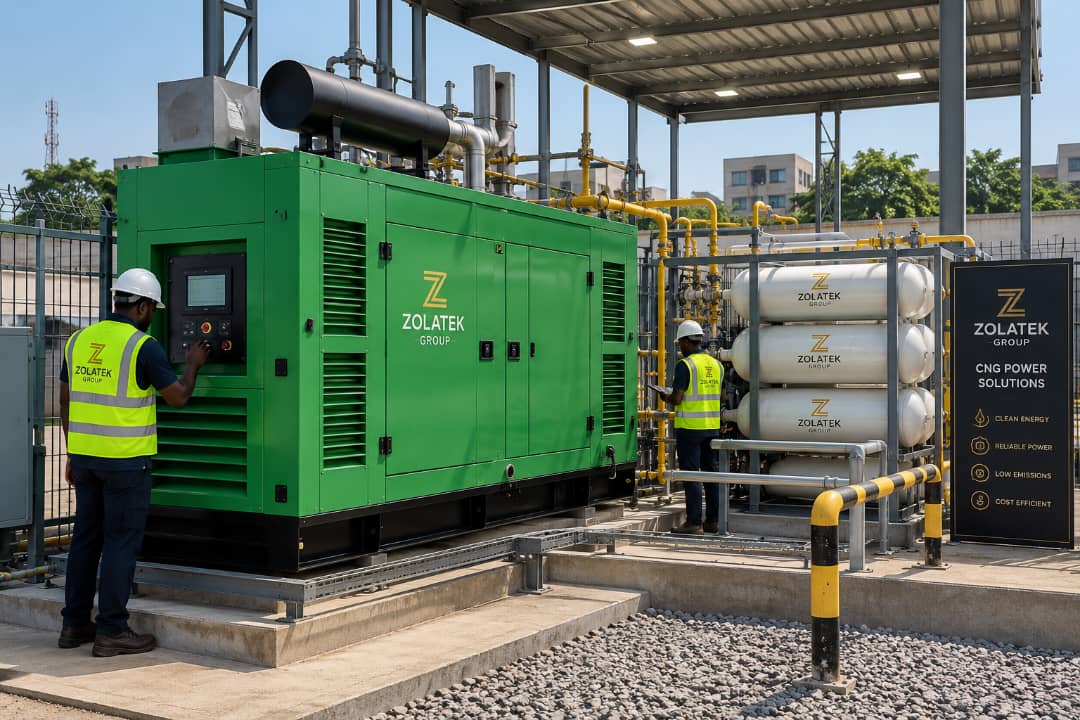
A clear scope for the brief.
A useful energy conversation begins with how power is consumed and what happens when supply is uncertain. The solution should account for generation, storage, efficiency, infrastructure, and the people who will operate it.
The service scope starts with the load, site conditions, operating pattern, and resilience the environment needs.
A clearer view of the scope.
Generation and storage
Power generation and storage options considered together with the site and load.
- Solar Systems
- Inverters
- Batteries
- Hybrid Power Systems
- Off-Grid Solutions
Efficiency and infrastructure
The infrastructure and efficiency decisions that influence resilience and operating cost.
- Energy Efficiency
- Power Infrastructure
Transition and fuel options
Alternative and transitional energy conversations where they fit the project context.
- CNG Solutions
Where the operating conditions matter.
From the first question to the next clear move.
The sequence is adapted to the division, project stage, evidence available, and decisions that need to stay connected.
- 01
Understand the load
Map users, equipment, operating hours, critical loads, and existing power conditions.
- 02
Review the site
Check space, access, utilities, constraints, and the interfaces that shape the options.
- 03
Frame the system
Compare generation, storage, efficiency, infrastructure, and transition pathways.
- 04
Coordinate delivery
Keep equipment, installation, safety, controls, and handover decisions aligned.
- 05
Review operation
Confirm that the people responsible understand the system and its next steps.
Relevant context for the work.
Service scope
Energy services are tailored to each location, load, and operating brief.
Technical examples
Further energy experience can be discussed confidentially.
The right scope starts with the right question.
These answers describe how the service typically works. Each engagement is shaped after the brief, location, and complexity are understood.
Can an energy brief start before a system is selected?
Yes. Understanding the load, site, operating pattern, and constraints should come before choosing a system mix.
Is an off-grid system right for every remote site?
Not necessarily. The right route depends on the load, access, existing infrastructure, maintenance context, and resilience needs.
Start with the power picture.
Share the site, current power conditions, critical loads, and the operating reality you need the system to support.