Shape the opportunity before the project.
Strategic project development for clients exploring land, assets, investment structures, partnerships, and commercial routes to delivery.
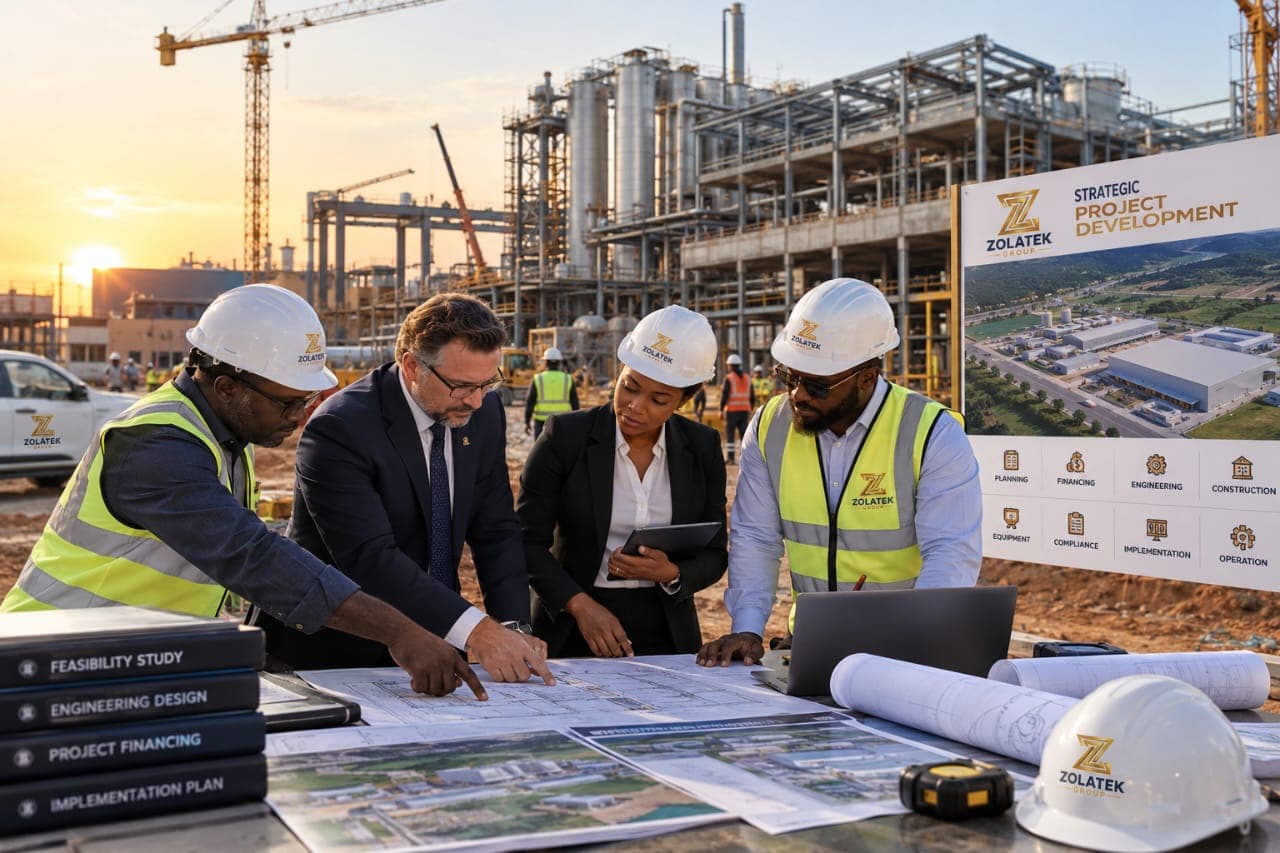
A clear scope for the brief.
Development is a sequence of connected decisions. Before a project is announced, financed, or built, the opportunity, asset, structure, stakeholders, and commercial logic need a clear place to be examined.
The division helps frame and coordinate development questions around investment, joint ventures, planning, returns, and delivery.
A clearer view of the scope.
Opportunity and asset review
Test what the opportunity or asset is, where the questions are, and what needs evidence.
- Opportunity Identification
- Land Evaluation
- Asset Evaluation
Structure and capital
Coordinate the commercial and stakeholder conversations that can shape a development route.
- Project Structuring
- Investor Coordination
- Joint Venture Development
Commercialization
Move from an evaluated opportunity toward a clearer commercial project direction.
- Commercial Project Development
Where a local route needs definition.
From the first question to the next clear move.
The sequence is adapted to the division, project stage, evidence available, and decisions that need to stay connected.
- 01
Identify the opportunity
Clarify the asset, need, market context, objective, and reason the opportunity matters now.
- 02
Evaluate the conditions
Review land, asset, access, infrastructure, stakeholders, constraints, and evidence available.
- 03
Structure the project
Frame delivery, capital, ownership, partner, procurement, and operating questions.
- 04
Coordinate stakeholders
Keep investor, owner, operator, technical, and local conversations connected.
- 05
Define the next phase
Set out what is ready, what is unknown, and what must be commissioned or agreed next.
Relevant context for the work.
Development approach
The service helps shape development conversations around assets, partners, and commercial questions.
Development examples
Further project experience can be discussed confidentially.
The right scope starts with the right question.
These answers describe how the service typically works. Each engagement is shaped after the brief, location, and complexity are understood.
What shapes a development outcome?
Funding, approval, partnership, return, and delivery depend on project-specific evidence, decisions, and external conditions.
Can the work start with land or an asset that is still being evaluated?
Yes. Land and asset evaluation can be part of the early conversation before a development route is defined.
Give the opportunity a stronger starting point.
Share the asset, objective, market, partner question, or investment decision that needs to be explored.